
The quality of dental assistant education depends on more than the information listed in a curriculum. Students also need an environment that encourages practice, questions, feedback, organization, and professional behaviour. A course may cover the right topics, but the way those topics are taught can strongly influence how prepared students feel when they enter a dental office. Future students should therefore evaluate the learning environment as carefully as they evaluate tuition or location.
Students Need Space to Practice
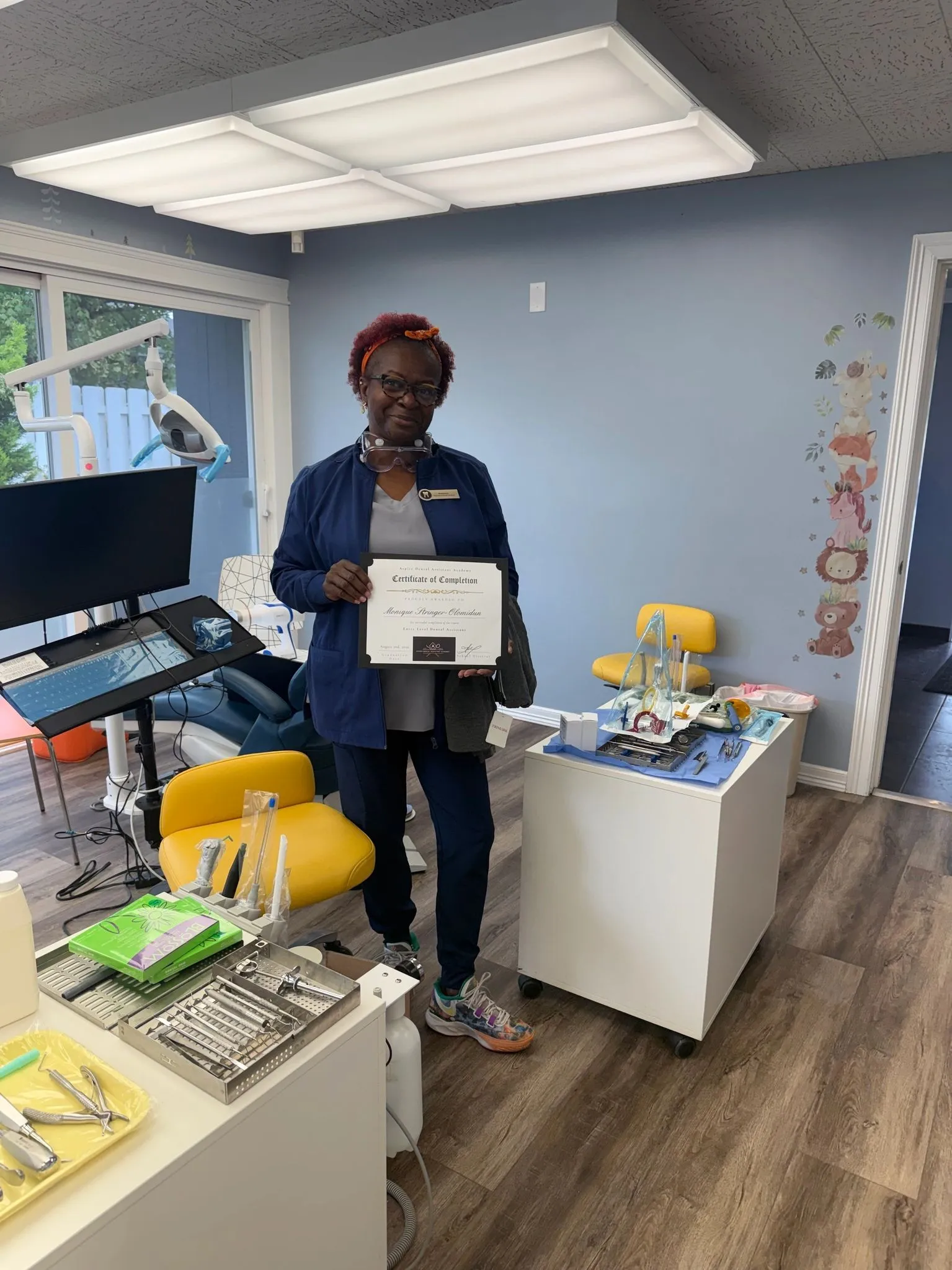
Dental assisting is physical and procedural. Students need opportunities to handle instruments, prepare treatment areas, practice infection-control routines, work with materials, and develop chairside coordination.
Someone comparing a Dental Assistant Academy in Tacoma should ask what students actually do during practical sessions. Watching an instructor perform a task can be useful, but observation alone is not the same as completing the steps yourself.
A strong learning environment gives students enough repetition to move from “I understand the explanation” to “I can perform the basic task safely and in order.”
Instructor Feedback Should Be Specific
General encouragement is helpful, but skill development requires specific feedback. An instructor might point out that a student is holding an instrument incorrectly, breaking the clean-to-contaminated workflow, placing equipment inefficiently, or communicating unclearly. The student should then have a chance to repeat the task with the correction.
This process turns mistakes into learning rather than embarrassment. Before enrollment, ask how instructors assess practical skills and what support is available if a student needs more practice in one area.
Small Details Should Matter
Dental offices depend on attention to detail. Students should learn early that organization, cleanliness, punctuality, and preparation are part of professional performance. A training environment can reinforce these habits by expecting students to arrive prepared, follow clinic procedures, maintain work areas, and respect equipment.
These behaviours may seem separate from clinical skill, but employers often notice them quickly. A student who develops strong habits during training has fewer adjustments to make in the workplace.
Questions Should Be Encouraged
Beginners will have questions. A productive classroom makes it acceptable to ask them. Students should feel comfortable requesting clarification when they do not understand a procedure, instrument, safety step, or instruction. Pretending to understand can create bigger problems later.
Instructors also play a role by explaining not only what to do but why the step matters. Understanding the reason behind a procedure often helps students remember it more effectively.
When comparing a Dental Assistant School in Lakewood WA, prospective students can ask about instructor accessibility, class structure, and opportunities for individual guidance.
The Setting Should Connect Theory With Practice
A strong program does not treat online or classroom lessons as separate from clinical training. The two should reinforce each other.
For example, students may study infection-control principles before practising operatory turnover. A lesson on dental materials can prepare them to mix or organize materials during the practical session. Dental anatomy can help students understand charting, radiography, and the location of procedures.
This connection makes study more meaningful because students can see how academic concepts relate to real tasks.
Communication Should Be Part of Training
Dental assistants work with patients and coworkers throughout the day. A learning environment should therefore develop communication alongside technical ability.
Students can practice professional introductions, listening, giving simple directions, responding to instructions, and asking for help appropriately. They should also understand confidentiality and the importance of discussing patient information carefully.
Confidence in communication often grows through practice, just like instrument skills.
Career Preparation Should Feel Realistic
Training should prepare students for the expectations of an entry-level role rather than suggesting they will know everything at graduation.
New dental assistants continue learning after they are hired. Different practices use different software, materials, instruments, and workflows. Good career preparation teaches students how to adapt, receive feedback, and continue building skills.
Resume guidance, interview preparation, and discussions about workplace expectations can help students make the transition from school to employment more smoothly.
Conclusion
A strong dental assistant learning environment combines clear instruction with practical repetition, detailed feedback, professional expectations, and open communication. Students should be able to connect theory with clinical tasks and understand that mistakes made during supervised practice are part of the learning process.
When comparing programs, future students should look beyond the course outline. The teaching environment, instructor access, opportunities to practice, and standards expected during training can all influence how confidently a graduate approaches the first days of an entry-level dental assisting job.